What are the latest trends in global political developments?
As we step into 2025, global politics is witnessing a fascinating blend of old alliances and new challenges. According to the World Economic Forum, diplomatic tensions have surged by 18% in the past year, reflecting shifting power dynamics and emergent security concerns. But what do these changes mean for our daily lives, and how might they reshape the world you know?
This might interest you : What are the most significant scientific discoveries this year?
Understanding recent changes in worldwide political landscapes
Global politics today feels a bit like a chessboard in constant motion, with new players, shifting alliances, and unexpected moves. Countries are reevaluating policies as they navigate economic pressures, climate concerns, and security challenges. From trade tensions to renewed diplomatic efforts, these adjustments signal how interconnected our world truly is.
Take, for example, the evolving relationships in Asia and Europe, where cooperation and competition closely intertwine. Meanwhile, emerging voices in international development emphasize sustainable solutions, reflecting a growing awareness of how politics directly affects everything from farmers’ livelihoods to urban growth. These dynamics remind us that political landscapes are never static—they mirror the complexities and hopes of societies worldwide.
Also to see : What are the most significant scientific discoveries this year?
Key updates on international political affairs shaping our world
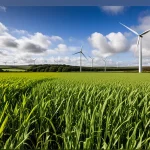
Recent shifts in international politics are leaving a tangible mark on global agriculture and climate policies. From new trade agreements in Asia to evolving environmental commitments in Europe, these developments directly influence food security and sustainability efforts worldwide.
For example, as nations grapple with balancing economic growth and environmental responsibility, policies encouraging green innovations in farming are gaining traction. Yet, political tensions in key regions sometimes hinder cooperation, creating ripple effects on food supply chains and resource distribution. Understanding these dynamics helps us see how intertwined policy decisions are with the very plates on our tables.
Who are the main players influencing global political trends today?
When we talk about the driving forces behind global political shifts, a few key players come into sharp focus. Countries like the United States and China continue to shape the international stage with their economic power and strategic policies. Meanwhile, the European Union acts as a collective force, navigating complex internal dynamics to influence global decisions. Leaders such as Joe Biden, Xi Jinping, and Ursula von der Leyen embody these shifting powers, steering their nations through turbulent times.
Beyond individual countries, international organizations like the United Nations and the World Trade Organization play pivotal roles in fostering cooperation, security, and development worldwide. Their ability to mediate conflicts and promote sustainable policies often defines the broader landscape of global politics. In this interconnected world, understanding how these diverse actors interact helps us grasp the intricate dance of today’s political trends—as well as where they might lead us next.
How global political developments impact everyday life: key considerations
Global political shifts might seem distant, but their ripples reach right into our daily routines. When trade policies change, for example, you might notice fluctuations in the price of your groceries or fuel. These decisions, often made in far-off capitals, directly affect communities by reshaping local economies, influencing job markets, and sometimes even altering what’s on our plates.
Agriculture, deeply entwined with political stability and international agreements, is especially vulnerable. Tariffs or sanctions can disrupt supply chains, impacting farmers’ livelihoods and the availability of food worldwide. Meanwhile, international development efforts, supported or hindered by political will, determine how swiftly regions recover from crises, build infrastructure, or tackle poverty. Understanding these connections helps us see beyond headlines and grasp how politics shapes the world we live in every day.
Where to find reliable updates on world political affairs: top sources
Keeping up with global politics can feel like chasing a moving target. Luckily, some sources deliver clear, trustworthy information that helps you stay informed without the noise. Whether you’re a casual reader or a keen observer, turning to dependable platforms makes all the difference.
- BBC News – Known for its balanced reporting and extensive international coverage, BBC offers timely updates and in-depth analysis on political events worldwide.
- Al Jazeera English – With a focus on underreported regions, Al Jazeera provides diverse perspectives on global developments, giving you a fuller picture beyond Western-centric views.
- The Economist – This magazine blends sharp analysis with a witty style, perfect for readers looking to understand the broader implications of political moves.
- Reuters – Renowned for speed and accuracy, Reuters’ straightforward news feeds are invaluable for getting fast, reliable updates on breaking political stories.
- Foreign Policy – Ideal for those wanting expert insight, Foreign Policy covers global trends and policy debates with depth and clarity.
For a well-rounded grasp of international affairs, mixing sources helps—think of it as assembling a political puzzle where each platform adds a unique piece. Staying curious and open-minded leads you to a richer understanding of the world’s complex political landscape.
Frequently Asked Questions about global political developments
What are the most recent changes in global politics?
Recent shifts include rising multipolarity, new trade agreements, and changing alliances, especially in Asia and Europe. These developments reshape power dynamics and influence global stability and cooperation.
How do global political developments impact everyday life?
Politics affect trade, job markets, and international aid. Decisions made by governments can influence economic growth, migration, and even the availability of everyday goods.
Who are the key players influencing world political trends today?
Major nations like the US, China, EU states, and emerging powers shape trends, alongside international organizations and influential leaders driving foreign policies and global initiatives.
What should I know about the current state of international relations?
International relations remain complex, marked by cooperation and tension. Issues like climate change, security, and economic competition drive ongoing negotiations and diplomatic efforts worldwide.
Where can I find reliable updates on world political affairs?
Trusted sources like our platform offer balanced, accessible coverage. Combining expert analysis with diverse perspectives helps you stay informed without getting lost in bias or misinformation.